Seafood and Shellfish

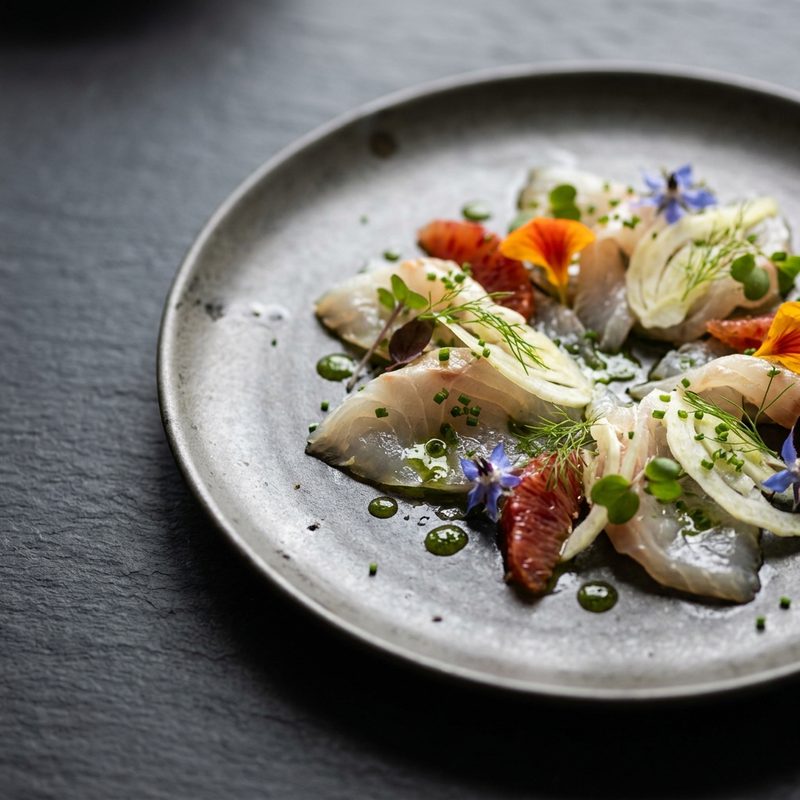
Citrus Cured Sea Bass Crudo with Herb Oil

This elegant sea bass crudo utilizes a quick dry-cure technique to firm the flesh and infuse it with bright citrus aromatics. Served with crisp shaved fennel and a vibrant, cold-pressed chive oil, it is a masterclass in balancing acidity, fat, and texture.
Cured Sea Bass with Citrus
Prep
20 min
Cook
45 min
Serves
4
Level
Medium
Per serving
240 kcal

Method

  1. Preparation of the Citrus Cure. In a small mixing bowl, combine the sea salt, caster sugar, and the freshly grated citrus zests. Rub the zests into the salt-sugar mixture to release the essential oils.

  2. Curing the Sea Bass. Lay the sea bass fillets in a shallow tray. Cover completely with the cure mixture, ensuring the fish is evenly coated on all sides. Cover with cling film and refrigerate at 4°C for exactly 45 minutes. Do not exceed this time or the fish will become overly firm and salty.

  3. Washing and Drying. Remove the fish from the cure. Rinse thoroughly under a gentle stream of cold running water to remove all salt and sugar. Pat bone-dry with paper towels. The flesh should now feel firm to the touch.

  4. Preparing the Herb Oil and Garnish. Blanch the chives in boiling water for 10 seconds, then immediately shock in an ice bath to set the chlorophyll. Squeeze the chives dry and blend on high speed with the olive oil for 2 minutes. Strain through a fine-mesh chinois or coffee filter for clarity. Shave the fennel bulb paper-thin using a mandolin and place in ice water to curl.

  5. Slicing and Presentation. Using a long, sharp slicing knife (Yanagiba), slice the sea bass against the grain into 5mm thick slices. Arrange the slices in a circular pattern on chilled plates. Garnish with blood orange segments (supremes), the drained fennel, and dots of the chive oil. Finish with a touch of Maldon salt if desired.

Notes

Always use 'sushi-grade' or 'sashimi-grade' fish to ensure safety and texture.

If you want to simplify, you can skip blanching the chives and just blend them raw with oil, though you will lose the vibrant electric-green color and the oil will oxidize faster.

Use a mandolin for the fennel; hand-slicing rarely achieves the necessary translucence for this dish.

Drying the fish after rinsing is the most important step for a clean, non-greasy mouthfeel.
Questions

Can I use a different type of fish?
Yes, sea bream, snapper, or even high-quality scallops work beautifully with this citrus cure technique.
How long does the cured fish keep?
While the cure preserves the fish, this is a 'quick cure' intended for immediate service. It is best consumed within 4 hours of curing for optimal texture.
What does it mean to 'supreme' an orange?
It is a technique where you cut away the peel and pith, then slice between the membranes to remove clean segments of fruit without any skin or pith.
Is the fish actually cooked?
No, it is raw but chemically 'cooked' by the salt and sugar, which alters the proteins to create a firmer, more palatable texture similar to gravlax.

Try this next

Charred Leeks with Vinaigrette

Vegetables and Garnishes

Charred Leeks with Vinaigrette

An elevated interpretation of the French bistro classic Poireaux Vinaigrette, where leeks...

Confit Duck Leg

Meat and Game

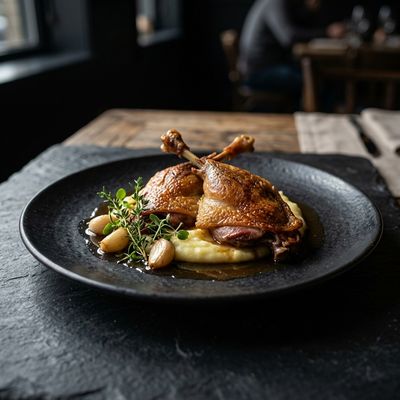
Confit Duck Leg

This classic French preparation involves curing duck legs in aromatics before slow-poaching...

Beurre Blanc

Stocks, Sauces and Fundamentals

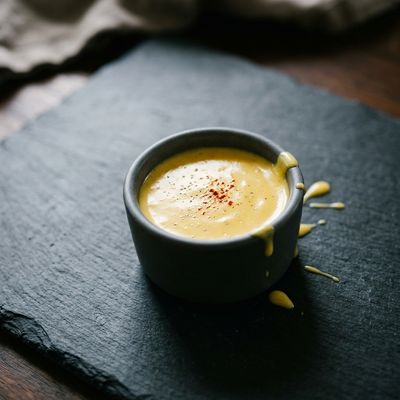
Beurre Blanc

A cornerstone of French saucier craft, this Beurre Blanc is a luxurious, velvet-smooth...

More from Chef's Table

Beef Wellington

Meat and Game

Beef Wellington

Experience the pinnacle of luxury dining with this perfectly executed Beef Wellington. A...

Making a Clear Consommé

Kitchen Technique

Making a Clear Consommé

A consommé is the pinnacle of the saucier’s craft, representing the transformation of a...

Butter-Poached Lobster Tail

Seafood and Shellfish

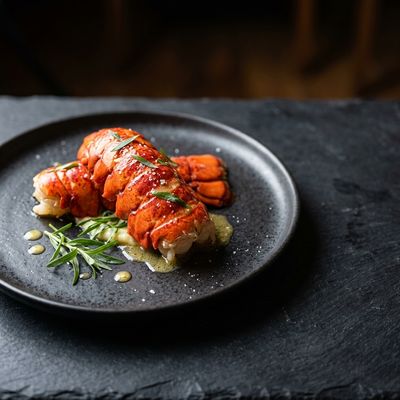
Butter-Poached Lobster Tail

Experience the pinnacle of seafood preparation with lobster tails gently poached in a silky,...

Emulsions That Do Not Split

Kitchen Technique

Emulsions That Do Not Split

Understanding the science of emulsions is the difference between a broken sauce and a...

Confit Salmon with Sorrel

Seafood and Shellfish

Confit Salmon with Sorrel

Achieve a buttery, melt-in-the-mouth texture with this precision-temperature confit salmon....

Cucumber and Dill Cracker

Amuse-Bouche

Cucumber and Dill Cracker

A sophisticated amuse-bouche featuring the crisp snap of a homemade dill-infused cracker...

Canelés de Bordeaux

Petits Fours

Canelés de Bordeaux

A Bordeaux classic featuring a dark, deeply caramelized mahogany crust and a moist, tender...