Vegetables and Garnishes

Professional Quick-Pickled Shallots Recipe

These quick-pickled shallots provide a sharp, vibrant acidity and a refined crunch to any dish. Using a classic professional 3-2-1 pickling ratio, this technique ensures a consistent, high-acid profile that cuts through rich proteins and fats.
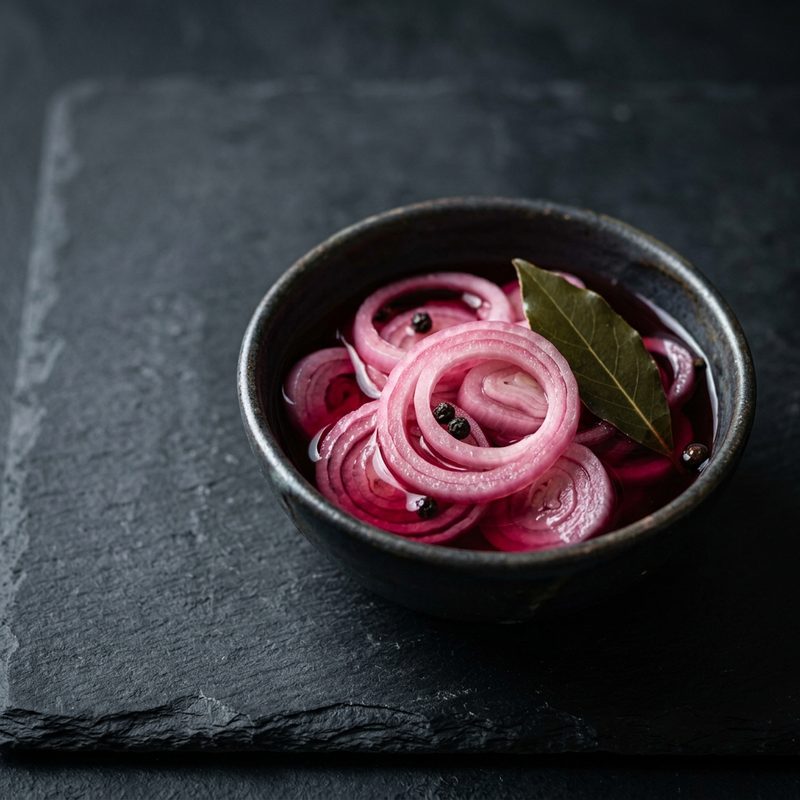
Quick-Pickled Shallots
Prep
10 min
Cook
5 min
Serves
8
Level
Easy
Per serving
35 kcal

Method

  1. Prepare the shallots by slicing them exactly 2mm thick using a mandoline to ensure uniform pickling and texture; place them in a non-reactive, heat-proof glass container.

  2. In a small stainless steel saucepan, combine the red wine vinegar, water, sugar, salt, peppercorns, and bay leaf.

  3. Bring the brine to a gentle simmer over medium heat (approx. 90°C/195°F), stirring until the sugar and salt are completely dissolved.

  4. Immediately pour the hot brine over the shallots, ensuring they are fully submerged. If shallots float, place a small weight or a parchment paper cartouche on the surface to keep them under the liquid.

  5. Allow the container to sit at room temperature for 30 minutes to facilitate the initial infusion, then cover and transfer to the refrigerator for at least 2 hours before service.

Notes

Precision slicing is vital; hand-cutting is a viable simplification, but you lose the uniform 'mouthfeel' and consistent pickling rate that a mandoline provides.

Always use a non-reactive container like glass or ceramic; stainless steel or plastic can impart metallic or off-flavors over time due to the high acidity.

For a deeper pink hue, add a small piece of raw beet or a dried hibiscus flower to the boiling brine.

Save the leftover brine; it makes an exceptional base for a house vinaigrette once the shallots are finished.
Questions

How long do these last in the refrigerator?
When kept submerged in brine and stored in an airtight container, they will remain at peak quality for up to 2 weeks.
Can I substitute white vinegar for red wine vinegar?
Yes, though the flavor profile will be sharper and the color will be pale cream rather than the signature pink/purple.
Why do we pour the brine over while hot?
This technique, known as 'brine à chaud', slightly softens the cellular structure of the shallot, allowing the vinegar to penetrate faster for a 'quick' pickle.
Do I need to peel the shallots first?
Yes, ensure all papery skin and the tough basal plate are removed before slicing for a professional finish.

Try this next

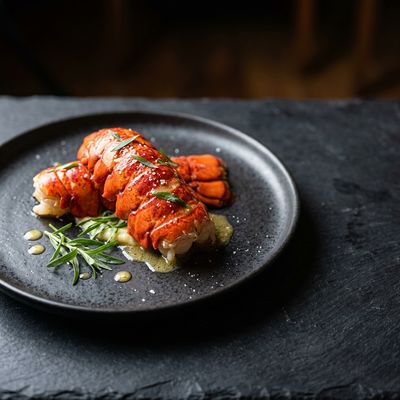
Butter-Poached Lobster Tail

Seafood and Shellfish

Butter-Poached Lobster Tail

Experience the pinnacle of seafood preparation with lobster tails gently poached in a silky,...

More from Chef's Table

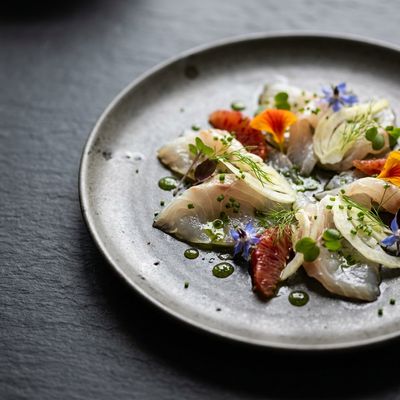
Cured Sea Bass with Citrus

Seafood and Shellfish

Cured Sea Bass with Citrus

This elegant sea bass crudo utilizes a quick dry-cure technique to firm the flesh and infuse...

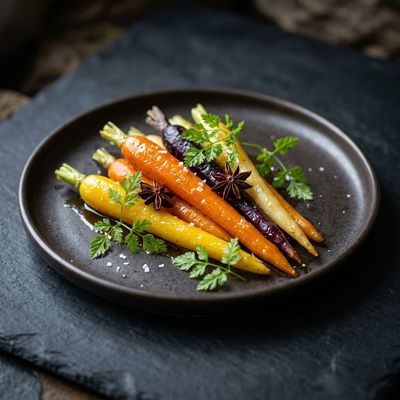
Glazed Heritage Carrots

Vegetables and Garnishes

Glazed Heritage Carrots

Unlock the vibrant potential of multi-colored heritage carrots using the classic French...

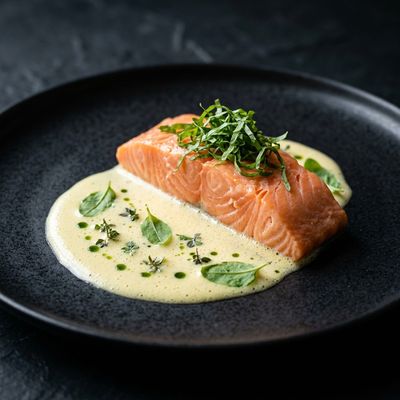
Confit Salmon with Sorrel

Seafood and Shellfish

Confit Salmon with Sorrel

Achieve a buttery, melt-in-the-mouth texture with this precision-temperature confit salmon....

Crème Brûlée

Desserts and Soufflés

Crème Brûlée

This recipe delivers the hallmark of French pastry: a custard that achieves the perfect...

Pressed Pork Belly Terrine

Terrines and Parfaits

Pressed Pork Belly Terrine

This restaurant-standard terrine transforms humble pork belly into a refined,...