Terrines and Parfaits
Professional Pressed Pork Belly Terrine Recipe
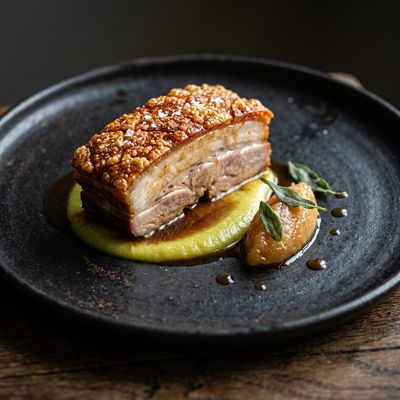
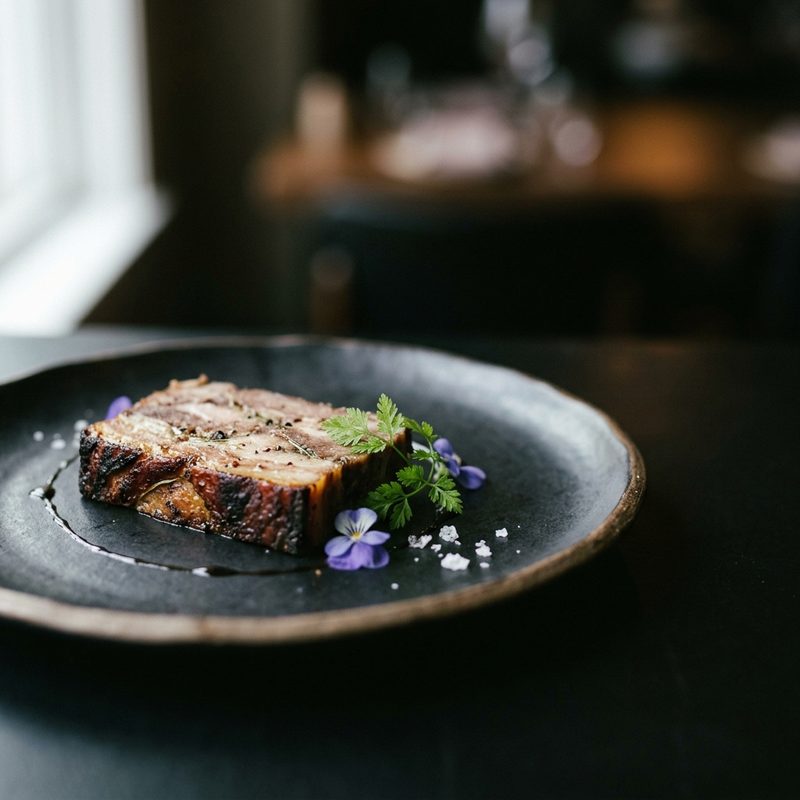
This restaurant-standard terrine transforms humble pork belly into a refined, melt-in-the-mouth centerpiece with a perfectly glass-like crackling finish. By utilizing a 24-hour pressing technique, the meat achieves a dense, uniform texture that carves beautifully for high-end presentation.
- Prep
- 45 min
- Cook
- 240 min
- Serves
- 8
- Level
- Advanced
- Per serving
- 645 kcal
Method
The Dry Cure. Combine the Maldon salt, pink salt, crushed star anise, peppercorns, thyme, and garlic. Rub the mixture aggressively into the flesh side of the pork belly. Place in a non-reactive tray, cover with cling film, and cure in the refrigerator for 12 to 18 hours. Do not exceed 24 hours or the meat will become overly cured (ham-like).
Preparation for Confit. Rinse the cure thoroughly under cold running water. Pat the meat completely dry with blue roll/paper towels. Trim the belly into a neat rectangle that fits your terrine mold or deep roasting tray.
The Confit. Preheat your oven to 140°C (285°F). Place the pork belly into a deep tray and submerge completely in rendered duck fat. Cover the tray tightly with a double layer of foil to prevent moisture loss. Cook for approximately 3.5 to 4 hours until the meat offers zero resistance when pierced with a skewer (internal temperature approx 92°C/198°F).
Mechanical Pressing. While the meat is still warm (approx 50°C/122°F), carefully lift it from the fat. If using skin-on, you may choose to remove the skin now to press separately for crackling, or leave it attached. Place the belly into a parchment-lined terrine mold. Place a second identical mold (or a piece of heavy board) on top. Apply a weight of at least 2kg to the top. Refrigerate and press for a minimum of 24 hours.
Portioning and Service. Depress the terrine and remove from the mold. Trim the edges to reveal the clean lamination of fat and meat. Slice into even 3cm thick rectangles. To serve, place a cold portion into a cold non-stick pan, skin-side down. Turn the heat to medium-low and render the fat slowly until the skin is perfectly crisp. Flip briefly to warm the meat through and serve immediately.
Notes
Precision Pressing: Use a brick wrapped in foil as a weight for consistent, even pressure across the entire surface of the meat.
Fat Substitution: If duck fat is unavailable, you can substitute with a high-quality white chicken stock. However, you will lose the deep silkiness and preservation qualities that come with a fat-confit.
Skin Management: For the ultimate restaurant finish, remove the skin after cooking but while still hot. Press the skin between two flat trays to keep it perfectly flat while it cools, then fry it separately to create a glass-like garnish.
Temperature Control: Never sear the terrine over high heat from the start; the high fat content will burn before the center is warm. Start cold and render slowly.