Seafood and Shellfish
Professional Butter-Poached Lobster Tail Recipe
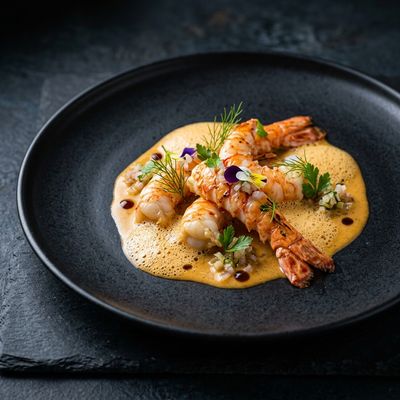
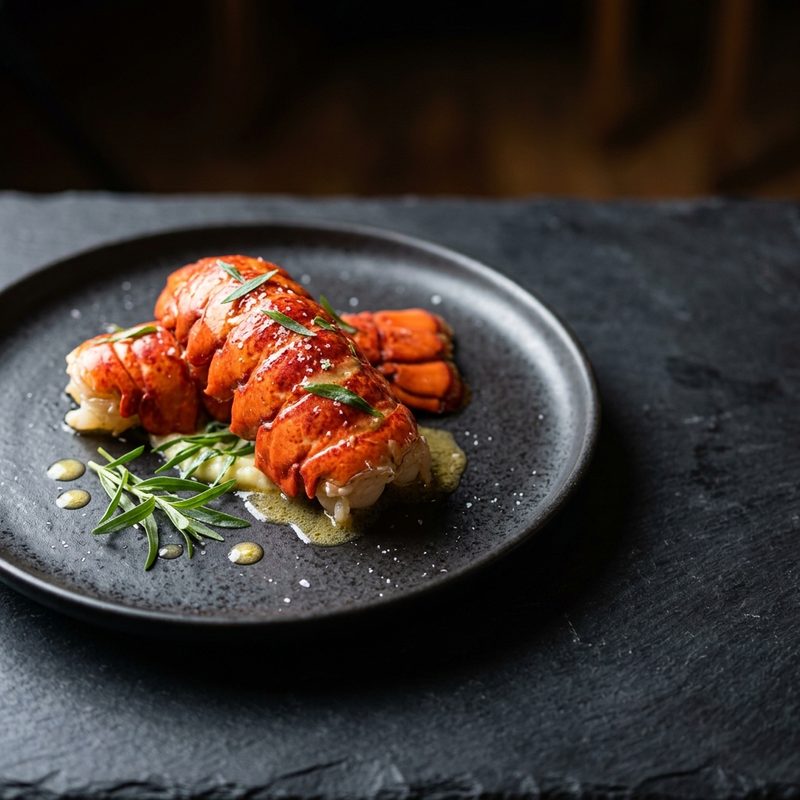
Experience the pinnacle of seafood preparation with lobster tails gently poached in a silky, emulsified butter bath. This professional technique ensures the meat remains incredibly tender and infused with a rich, velvety finish.
- Prep
- 15 min
- Cook
- 20 min
- Serves
- 4
- Level
- Intermediate
- Per serving
- 480 kcal
Method
Prepare the lobster by par-boiling the tails in a large pot of boiling water for exactly 2 minutes. Immediately transfer to an ice bath for 5 minutes. This 'shock' releases the meat from the shell without cooking it through. Simplification: You can skip this and cut the raw meat from the shell, but you will likely tear the flesh and lose the pristine aesthetic.
Use kitchen shears to snip the underside of the shells. Carefully peel the shell away and extract the meat in one whole piece. Remove the intestinal tract and pat the meat completely dry.
Create the 'beurre monté' emulsion. In a small saucepan, bring 2 tablespoons of water to a boil. Reduce heat to the lowest setting and whisk in the chilled butter one cube at a time. Maintain a constant whisking motion to create a creamy, stable emulsion. Do not let the temperature exceed 85°C (185°F) or the emulsion will break into oily fat and milk solids.
Submerge the lobster tails into the butter bath. Add the tarragon sprig. Using a kitchen thermometer, keep the butter between 55°C and 60°C (130°F-140°F). Poach the lobster for 5 to 8 minutes, depending on size, until the internal temperature of the thickest part of the tail reaches 58°C (136°F).
Remove the tails from the butter and drain briefly on a warm plate. Season with sea salt and a few drops of lemon juice. Serve immediately with a spoonful of the poaching butter poured over the top.
Notes
Temperature control is the most critical factor; if the butter begins to separate, whisk in a teaspoon of cold water immediately to stabilize it.
Always use cold-water lobster (typically from Maine or Canada) as it has a firmer, sweeter meat compared to warm-water spiny lobsters.
The leftover butter can be strained and kept in the refrigerator for up to a week—it is packed with lobster flavor and makes an incredible base for a seafood pasta.
Do not crowd the pan; the lobster tails should be fully submerged to ensure even cooking.