Seafood and Shellfish
Pan-Seared Hokkaido Scallops with Silky Cauliflower Purée Recipe
Experience the pinnacle of seafood elegance with perfectly caramelized Hokkaido scallops resting on a cloud-like cauliflower purée. This dish balances the natural sweetness of the ocean with rich, nutty butter for a sophisticated fine-dining experience at home.
- Prep
- 15 min
- Cook
- 30 min
- Serves
- 4
- Level
- Intermediate
- Per serving
- 480 kcal
Method
Scallop Preparation: Remove the tough abductor muscle (the 'foot') from the side of each scallop. Place the scallops on a tray lined with lint-free paper towels and pat them bone-dry. Allow them to temper at room temperature for 15 minutes to ensure an even cook.
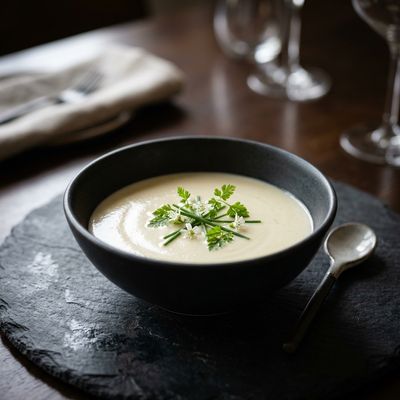
The Purée Base: Place the cauliflower florets in a heavy-bottomed saucepan. Pour over the milk and cream. Simmer gently over medium-low heat for 15-20 minutes until the cauliflower is completely tender when pierced with a knife. Do not allow the liquid to boil aggressively or brown.
Emulsification: Strain the cauliflower, reserving the liquid. Transfer the hot cauliflower to a high-speed blender. Add 60g of the butter. Blitz on high until smooth, adding small splashes of the reserved liquid until a thick, velvety consistency is reached. Season with half the salt and the lemon juice.
Refinement: Pass the purée through a fine-mesh chinois or sieve using a spatula. This step can be skipped at home to save time, but you will lose the ultra-silky 'fine-dining' texture. Keep the purée warm in a clean pot.
The Maillard Reaction: Heat a heavy stainless steel or cast-iron skillet over high heat with the grapeseed oil. Just before searing, season the presentation side of the scallops with the remaining salt. Place them in the pan in a clockwise order. Sear undisturbed for 2 minutes until a deep golden-brown crust forms.
Arroser (Basting): Flip the scallops. Immediately add the remaining 40g of butter to the pan. Once the butter foams, tilt the pan and use a large spoon to continuously baste the scallops with the hot butter for 45 seconds. The internal temperature should reach 45°C-50°C (medium-rare).
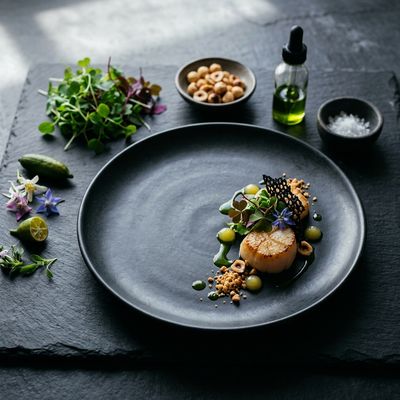
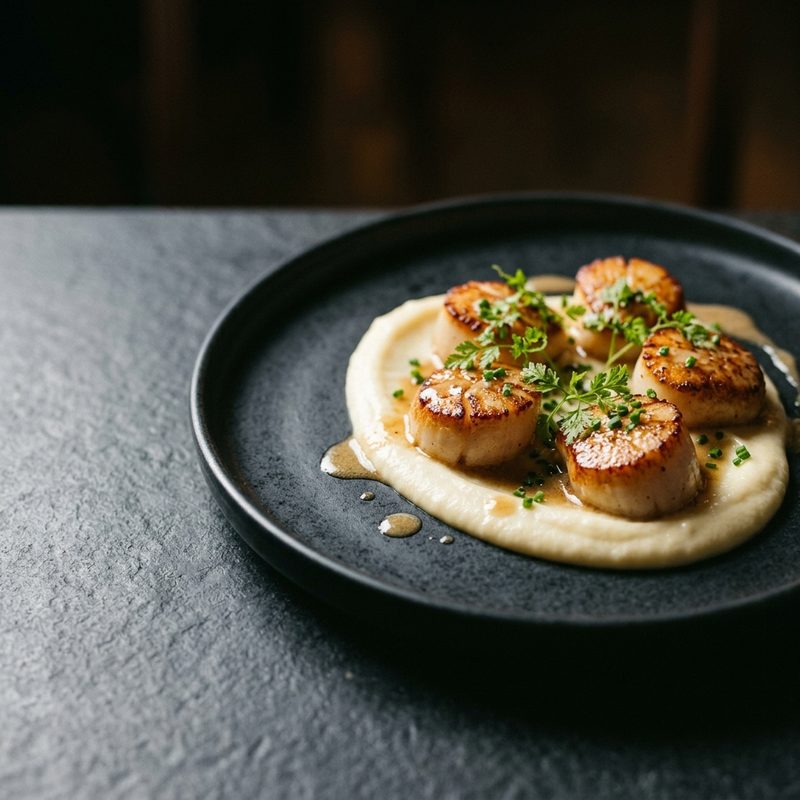
Plating: Spoon a generous portion of warm purée into the center of each plate. Arrange three scallops atop the purée. Drizzle a small amount of the brown butter from the pan over the scallops and garnish with micro-chervil.
Notes
Surface moisture is the enemy of a good sear; use a hair dryer on the 'cool' setting if your scallops are still damp after patting.
Do not use olive oil for the sear as it has too low a smoke point; grapeseed or avocado oil allows for the high heat required for caramelization.
If the purée is too thin, simmer it in a clean pan for 2-3 minutes to reduce; if too thick, whisk in a tablespoon of warm milk.
Cold butter in the blender helps create a stable emulsion, resulting in a glossier finish.