Stocks, Sauces and Fundamentals
Classic French Hollandaise Sauce Recipe
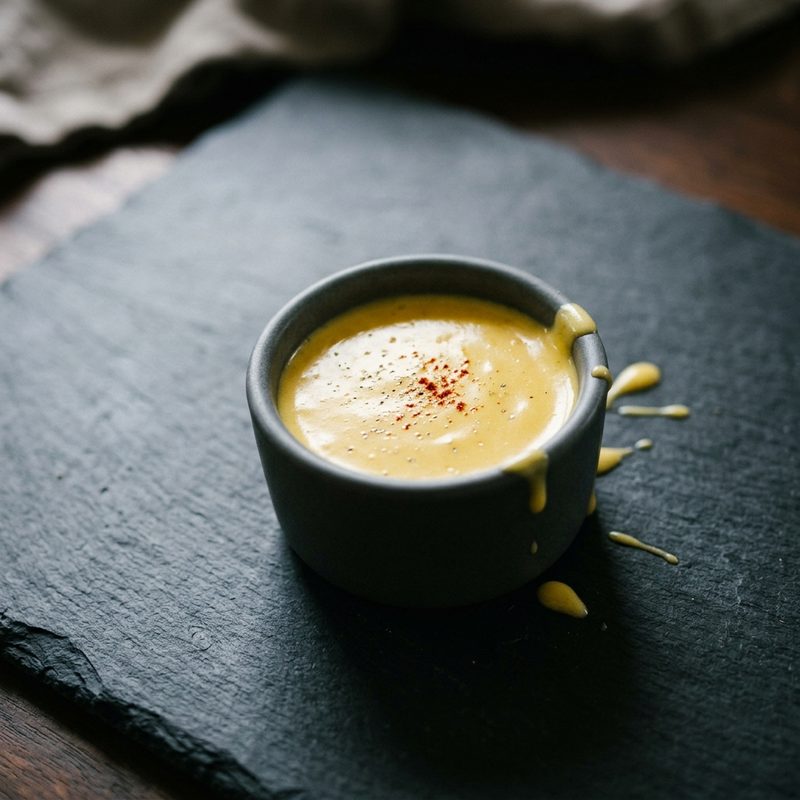
A cornerstone of the French mother sauces, this Hollandaise represents the pinnacle of emulsion technique, balancing rich clarified butter with the bright acidity of a gastrique reduction. Silky, stable, and warm, it is the essential companion for delicate seafood, asparagus, or classic egg dishes.
- Prep
- 15 min
- Cook
- 15 min
- Serves
- 4
- Level
- Advanced
- Per serving
- 425 kcal
Method
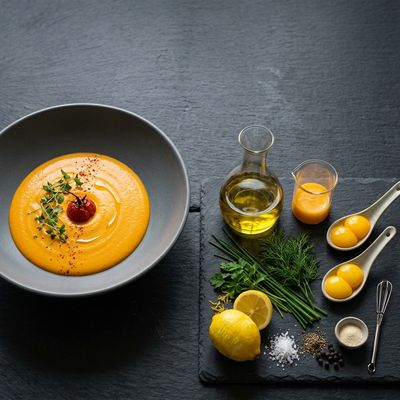
Prepare the Gastrique: Combine the white wine vinegar and crushed white peppercorns in a small saucepan over medium heat. Reduce the liquid by half until you have approximately one tablespoon of concentrated reduction. Strain through a fine-mesh chinois and set aside.
Clarify the Butter: Melt the butter slowly over low heat. Once fully melted, skim off the white milk solids from the surface. Carefully pour the clear golden fat into a separate container, discarding the watery solids at the bottom. Maintain the clarified butter at a temperature of 55°C to 60°C (131°F to 140°F).
Establish the Bain-Marie: Bring a pot of water to a gentle simmer, then reduce heat to the lowest setting. Place a stainless steel bowl over the pot, ensuring the bottom of the bowl does not touch the water.
The Sabayon Phase: Place the egg yolks, gastrique, and cold water into the bowl. Whisk vigorously in a figure-eight motion. Continue until the mixture reaches 65°C (150°F), becomes pale, and achieves the 'ribbon stage'—where it is thick enough to hold its shape briefly when drizzled from the whisk. Simplified Home Version: You can do this in a blender, but you lose the airy, soufflé-like volume of a hand-whisked sabayon.
Emulsification: Remove the bowl from the heat. Place it on a damp towel to stabilize. While whisking constantly, add the warm clarified butter drop by drop initially, then in a very thin, steady stream. If the sauce becomes too thick, whisk in a few drops of warm water to loosen.
Final Seasoning: Gently fold in the lemon juice, kosher salt, and cayenne pepper. Taste and adjust acidity if necessary.
Service and Holding: Pass the sauce through a fine-mesh strainer for a perfect finish. Hold the sauce in a warm spot (not hot) or a pre-warmed thermos at approximately 52°C (125°F) for no more than 2 hours.
Notes
Temperature synchronization is vital: the butter and the sabayon must both be warm (approx 55°C) during the emulsion to prevent splitting.
To fix a broken sauce: Whisk one teaspoon of warm water and one egg yolk in a clean bowl over a bain-marie, then slowly whisk the broken sauce into the new yolk.
Always use white peppercorns in the reduction to maintain the pristine yellow aesthetic of the sauce.
If using a blender for speed, the friction can overheat the eggs; use slightly cooler butter than the stovetop method requires.