Stocks, Sauces and Fundamentals
Professional Grade Classic Veal Stock Recipe
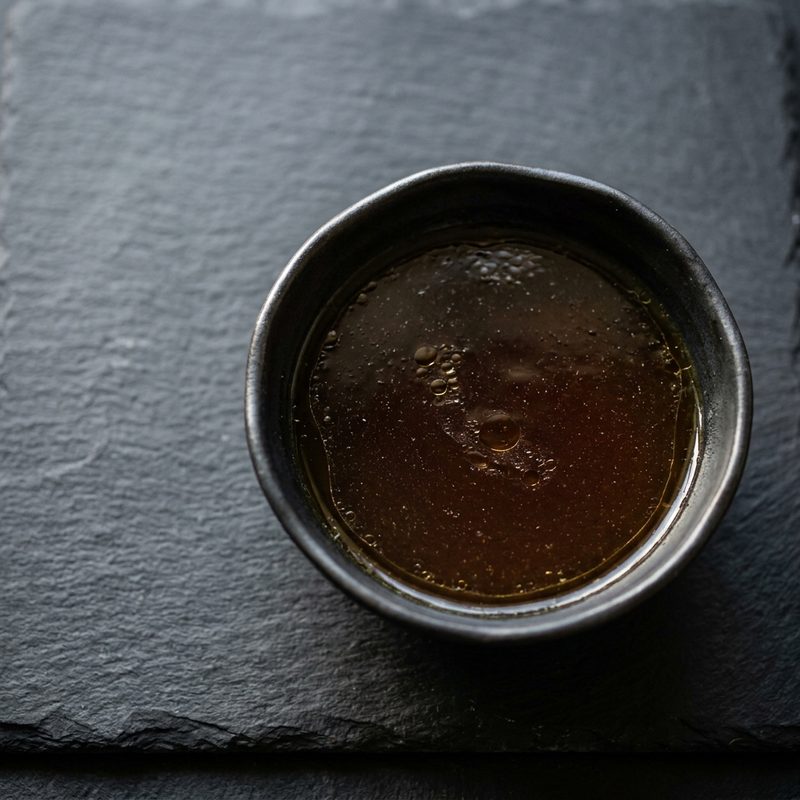
This foundational brown veal stock is characterized by its deep mahogany color, viscous mouthfeel, and clean bovine clarity. It provides the essential gelatinous structure required for elite saucier work, serving as the mother base for Espagnole and demi-glace.
- Prep
- 45 min
- Cook
- 720 min
- Serves
- 10
- Level
- Advanced
- Per serving
- 85 kcal
Method
Torréfaction (The Roast). Pre-heat your oven to 200°C (400°F). Arrange the veal bones in a single layer in heavy roasting pans. Roast for 45-60 minutes until deeply browned but not scorched. Turn the bones halfway through to ensure even coloration.
Pincé. Add the mirepoix (onions, carrots, celery) to the roasting pans during the last 20 minutes of bone roasting. Once the vegetables are softened, add the tomato paste, stirring it into the bones and vegetables. Return to the oven for 8-10 minutes until the paste turns a rusty brick red (the pincé stage).
Deglazing. Transfer the roasted bones and mirepoix to a large stockpot. Carefully drain the excess fat from the roasting pans. Place the pans over high heat on the stovetop, deglaze with a liter of cold water, and scrape all the fond (the brown bits) from the bottom. Pour this liquid into the stockpot.
The Simmer. Add the remaining cold water to the stockpot. The liquid must be cold to ensure impurities rise slowly. Bring to a gentle simmer (approx 90-95°C). Never allow a rolling boil, which emulsifies fat and clouds the stock.
Dépouillage. Use a ladle to meticulously skim the grey foam and fat that rises to the surface during the first hour. Add the Bouquet Garni.
Extraction. Maintain a constant 'lazy' simmer for 8 to 12 hours. Add small amounts of water if necessary to keep bones submerged.
Clarification and Straining. Carefully strain the stock through a fine-mesh chinois lined with muslin or cheesecloth. Do not press the solids, as this clouds the stock. Cool rapidly in an ice bath to ensure food safety and gelatin preservation.
Final Skim. Once chilled overnight, remove the solidified fat cap from the surface before portioning.
Notes
Always start with cold water; it allows the proteins to coagulate and rise to the top for easy skimming.
A 12-hour simmer is professional standard; at home, 6 hours is acceptable but you will lose significant body and depth.
Ensure the bones are cut small; this increases surface area for maximum collagen extraction.
If you lack a chinois, a standard fine sieve lined with two layers of damp cheesecloth is an effective home substitute.
Omit the tomato paste for a 'Fond de Veau Blanc' (White Veal Stock) and do not roast the bones or mirepoix.