Meat and Game
Wagyu Beef Tenderloin with Red Wine Jus Recipe
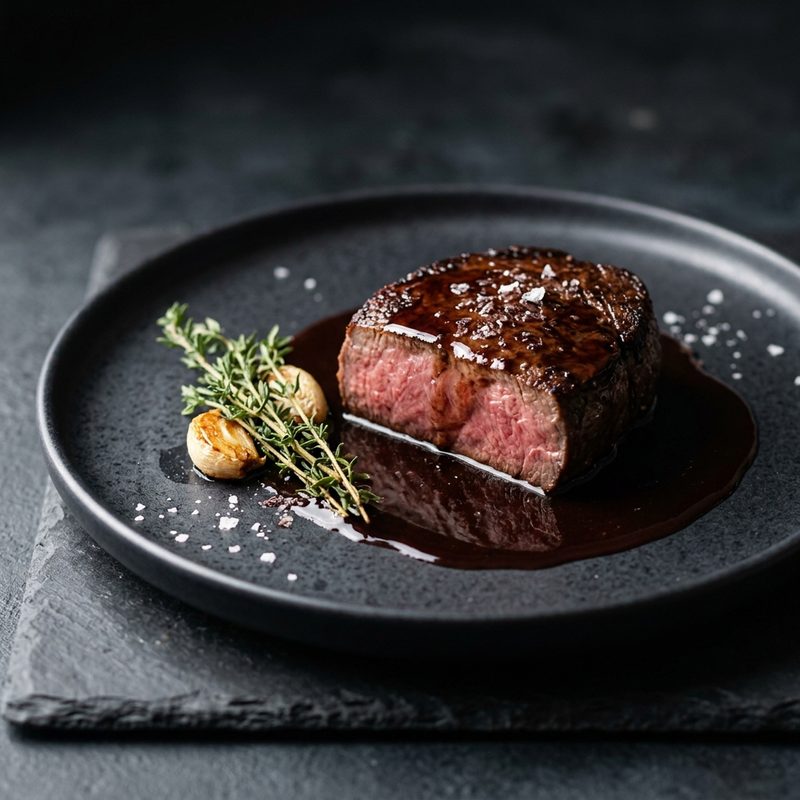
Experience the pinnacle of steakhouse dining with this center-cut Wagyu tenderloin, featuring an incredible Maillard crust and a buttery interior. The dish is elevated by a professional-standard red wine jus, reduced to a mirror-like sheen and emulsified with cold butter.
- Prep
- 20 min
- Cook
- 40 min
- Serves
- 4
- Level
- Advanced
- Per serving
- 645 kcal
Method
Temper the Meat. Remove the Wagyu steaks from the refrigerator 45 minutes prior to cooking. Pat extremely dry with kitchen towels. Season generously with sea salt only; do not add pepper yet as it will burn during the high-heat sear.
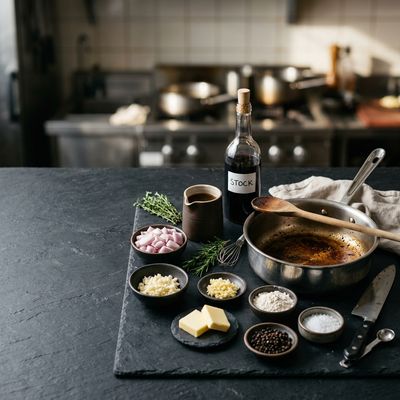
Prepare the Jus Base. In a small saucepan over medium heat, sweat the minced shallots with a knob of butter until translucent. Pour in the red wine and increase heat to medium-high. Reduce the wine by two-thirds until it reaches a syrupy consistency (the 'sec' stage).
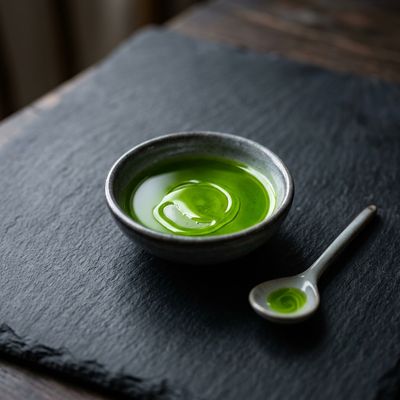
Finish Jus. Add the beef demi-glace to the reduced wine. Simmer gently for 10-15 minutes until the sauce coats the back of a spoon. Strain through a fine-mesh chinois into a clean pan. Keep warm, but do not boil.
The Sear. Heat a heavy cast-iron skillet over high heat until it begins to smoke lightly. Add the neutral oil. Place the Wagyu steaks in the pan. Sear for 2 minutes without moving them to develop a deep crust.
Arroser (Butter Basting). Flip the steaks. Add 2 tablespoons of butter, the crushed garlic, and thyme sprigs to the pan. As the butter foams, tilt the pan and continuously spoon the hot, aromatic butter over the steaks for another 2-3 minutes. This ensures even cooking and adds depth.
Resting. Remove the steaks when the internal temperature reaches 48°C (118°F) for medium-rare. Transfer to a warm rest rack. Rest for at least 8 minutes. The carry-over cooking will bring the internal temp to 52-54°C (125-130°F).
Monter au Beurre. Just before serving, bring the strained jus to a bare simmer. Whisk in the remaining cold butter one cube at a time to create a glossy, emulsified finish. Season with salt and fresh cracked pepper.
Plating. Slice the Wagyu against the grain if desired, or serve whole. Spoon a generous amount of the red wine jus over the meat and finish with a pinch of Maldon salt.
Notes
Wagyu fat has a lower melting point than standard beef; avoid over-handling the meat with warm hands.
The 'Arroser' technique is vital for fine-dining results; it provides the nutty, herbaceous crust characteristic of professional kitchens.
Simplification: If you cannot find demi-glace, reduce 500ml of high-quality beef stock with 1 tsp of tomato paste and a pinch of gelatin until syrupy. You lose some collagen-rich mouthfeel, but retain the flavor profile.
Always use a wine you would actually drink; a cheap, acidic wine will result in an acrid sauce after reduction.