Terrines and Parfaits
The Ultimate Restaurant-Style Chicken Liver Parfait
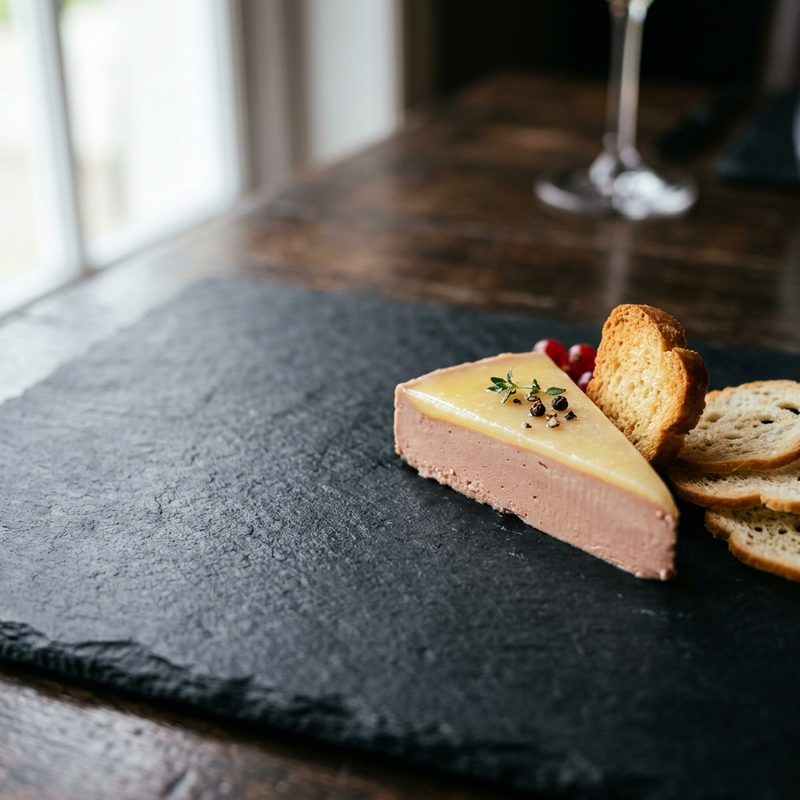
This recipe delivers a velvet-textured, pink-hued parfait with the perfect balance of richness and acidity. It utilizes a classic French emulsion technique followed by precise low-temperature baking to ensure a smooth, stable finish that rivals any fine-dining establishment.
- Prep
- 45 min
- Cook
- 45 min
- Serves
- 4
- Level
- Advanced
- Per serving
- 645 kcal
Method
Mise en Place: Soak the cleaned chicken livers in milk (not listed in ingredients) for 2 hours to remove bitterness. Drain and pat dry. Melt the butter and keep warm at approximately 50°C.
Reduction: In a small saucepan, combine the minced shallots, garlic, thyme, Port, and Brandy. Reduce over medium heat until the liquid is a thick syrup (approximately 15-20ml). Strain through a fine-mesh sieve and discard the solids.
The Emulsion: Place the livers, eggs, salts, and the warm alcohol reduction into a high-speed blender. Blend on high until completely smooth. While the motor is running at a medium speed, slowly stream in the warm melted butter to create a stable emulsion, similar to making a hollandaise.
Passing: Immediately pass the mixture through a fine-mesh chinois or sieve into a clean jug. This is critical for the 'parfait' texture; any small bits of connective tissue must be removed.
The Bake: Pour the mixture into a terrine mold or individual ramekins. Cover tightly with foil. Place in a bain-marie (water bath) with warm water coming halfway up the sides. Bake in an oven preheated to 110°C (230°F) until the internal temperature reaches exactly 65°C (149°F). Do not overcook, or the emulsion will break.
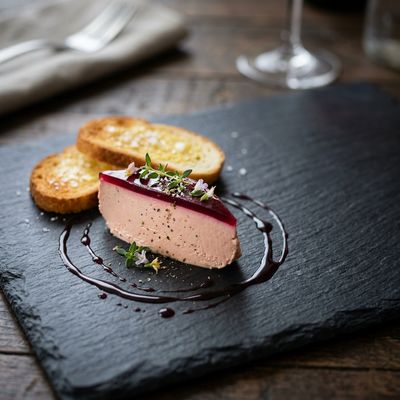
Set and Seal: Remove from the water bath and allow to cool to room temperature. Once cool, pour a thin layer of clarified butter or fruit jelly over the top to prevent oxidation. Chill in the refrigerator for at least 12 hours before serving.
Service: Slice the cold parfait with a hot knife. Serve with thick slices of brioche toasted in a pan with foaming butter until golden brown.
Notes
Using Pink Curing Salt is what maintains the vibrant pink color; without it, the parfait will turn an unappetizing grey when cooked.
Temperature control is everything: if the butter is too cold, the emulsion will seize; if the oven is too hot, the eggs will scramble and the fat will leak.
Simplification: You can skip the 'passing through a chinois' step if you are at home, but you will lose the signature 'silk' texture that defines a true parfait.
Ensure the livers are at room temperature before blending to prevent the melted butter from setting prematurely.